Logistics
Passionate sports journeys
Redefining the journey through the lens of athletic passion
Modern expeditions now frequently revolve around calendars filled with matches and races. Fans no longer just watch from home; they cross borders to witness history. This shift drives a specialized industry catering to teams, supporters, and active participants seeking unique challenges worldwide.

Professional team
management abroad
Moving an entire squad requires precision. Flights, accommodation, and dietary needs must align perfectly with training schedules to ensure peak performance upon arrival at the venue.

Amateur competitive
touring
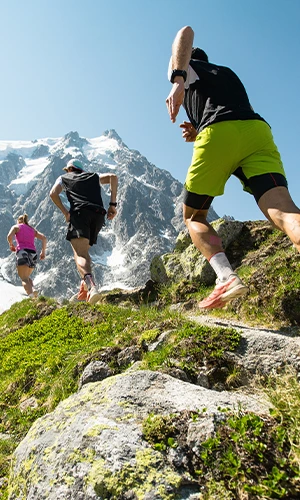
Weekend warriors increasingly book trips centered on participation. From cycling tours in the Alps to local regattas, these itineraries blend physical exertion with sightseeing and relaxation.

Fan travel and
hospitality
Supporters seek immersive packages that go beyond the stadium. Guided tours, meet-and-greets, and exclusive access zones turn a ninety-minute game into a comprehensive cultural celebration.

Corporate sports
incentives
Companies utilize major sporting events to motivate staff. Shared excitement in a VIP box fosters team building and strengthens professional relationships in a relaxed, high-energy environment.
Global sports highlights
Major championships that dictate the global tourism calendar
Host cities transform when a World Cup or Olympiad arrives. Hotels fill years in advance, and transport networks expand to accommodate the influx of international visitors eager to witness these pinnacle moments of human achievement.

Football tournament fervour
Cities pulse with energy as rival colors flood the streets. Local economies boom during these weeks, driven by match-day excitement and post-game celebrations in packed plazas.
Tennis grand slam circuits
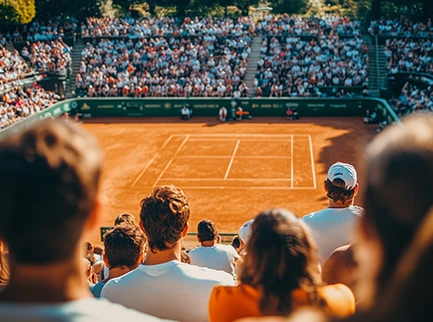
Prestigious courts in iconic capitals attract a sophisticated audience. These events combine high-stakes matches with luxury dining and fashion, creating a distinct social atmosphere for attendees.

Motorsport circuit weekends
The roar of engines draws crowds to remote tracks. Camping near the circuit becomes a ritual, fostering a unique camaraderie among petrolheads from diverse backgrounds worldwide.
Sport travel essentials
Distinctive requirements for various athletic disciplines
Every sport imposes different demands on the traveler and the organizer. While a chess tournament requires absolute silence and mental focus, a surfing competition depends entirely on unpredictable tides and coastal weather patterns.
Winter sports expeditions

Skiers and snowboarders chase fresh powder in high-altitude resorts. Transporting bulky gear and navigating snowy passes are integral parts of the alpine adventure experience.
Golf tourism standards

Golfers prioritize access to manicured greens and exclusive clubhouses. The travel experience focuses on tranquility, precision, and the quality of the landscape surrounding the course.
Aquatic sports logistics
Divers and sailors require coastal proximity and specialized equipment rental. The health of the marine ecosystem directly impacts the quality and feasibility of these trips.
Legendary sports destinations
Iconic locations defined by their sporting heritage
Certain cities and regions have become synonymous with specific activities. A pilgrimage to the Maracanã or a run through the Rift Valley offers a connection to the roots of the sport that cannot be replicated elsewhere.
Athlete management insights
Behind the scenes of successful athletic management
Flawless execution remains the backbone of any sports trip. Delays or lost equipment can ruin a championship bid, making the role of travel managers critical. They handle complex itineraries to ensure athletes focus solely on the game.

Secure transport solutions
Moving high-profile athletes requires discreet and efficient transfers. Private charters and police escorts often facilitate movement between hotels and competition venues to ensure safety.

Accommodation strategic planning
Hotels must provide recovery facilities and tailored nutrition. Proximity to the stadium minimizes travel fatigue, while secure floors guarantee privacy for the entire delegation.

Accreditation and access
Navigating security zones requires precise documentation. Managing passes for staff, media, and players ensures that everyone reaches their designated area without administrative delays.

Essential gear and physical readiness for travel
Traveling with sensitive equipment poses a significant challenge. From carbon-fiber bikes to pole vault poles, oversized luggage requires special handling. Furthermore, athletes must adjust their training cycles to manage jet lag and maintain peak physical condition during transit.
Endurance meets nature
Merging physical endurance with exploration of nature
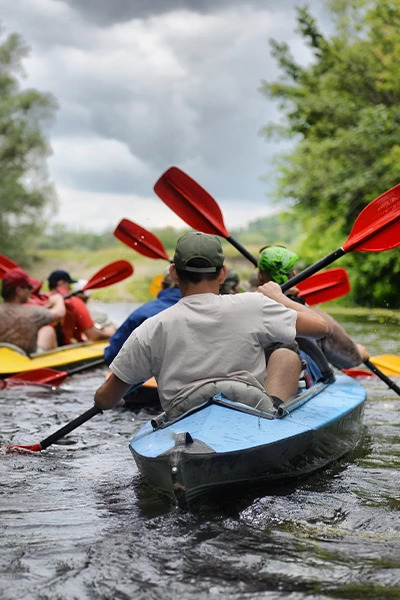
Adventure sports take athletes out of stadiums and into the wild. These journeys test resilience against the elements, requiring self-sufficiency and respect for the environment.